Pinggy Blog

Recently updated posts

The latest revisions across our writing on tunnels, networking, self-hosting, self-hosted LLMs, and AI - freshest updates first.


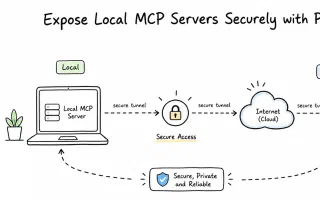
Expose Local MCP Servers Securely with Pinggy

MCP Model Context Protocol Pinggy

Learn how to share a localhost MCP server using Pinggy. This guide covers Streamable HTTP MCP servers, public HTTPS tunnels, testing, authentication, and practical security tips.

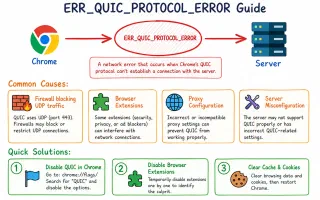
What Is ERR_QUIC_PROTOCOL_ERROR and How To Fix It

Chrome Errors Networking Troubleshooting

Learn about the ERR_QUIC_PROTOCOL_ERROR in Google Chrome, its causes, and effective solutions. Detailed troubleshooting steps to restore normal browsing.

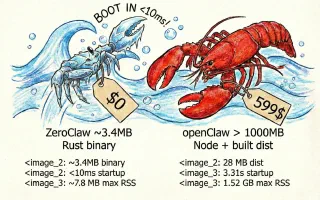
ZeroClaw: A Lightweight Open Source Alternative to OpenClaw

ZeroClaw Openclaw Ai-Agent

Complete guide to setting up ZeroClaw, the ultra-lightweight Rust-based AI agent framework. Self-host your own AI assistant using 99% less memory than OpenClaw with Discord integration.

How to Self-Host Any LLM – Step by Step Guide

Self-Hosted AI Ollama Open WebUI

Complete guide to self-hosting large language models locally using Ollama and Open WebUI with Docker. Learn to run AI models privately with full control over your data.

Why LLM Benchmarks Need a Reset

LLM Benchmarks Generative AI

LLM benchmarks are useful, but they often miss real-world behavior, prompt sensitivity, multilingual context, and benchmark gaming. Learn what better LLM evaluation should look like.

Is Claude Mythos Dangerous? - AI and Software Security

Claude Mythos AI Security Anthropic

Claude Mythos Preview signals a real shift in software security. Learn what Anthropic actually claimed, the risks for developers, and how to harden AI-assisted workflows.

TurboQuant for Efficient LLMs and How Gemma 4 Utilizes It

TurboQuant Gemma 4 On-Device AI

Learn what TurboQuant is, the math behind Google's new compression method, and how Gemma 4 combines efficient architectures and edge runtimes to run on phones and other edge devices.