How to Share a Next.js App from Localhost
Learn how to securely host your Next.js app online using Pinggy. Step-by-step guide for running your app locally and creating secure tunnels.
The latest revisions across our writing on tunnels, networking, self-hosting, self-hosted LLMs, and AI - freshest updates first.
Learn how to securely host your Next.js app online using Pinggy. Step-by-step guide for running your app locally and creating secure tunnels.
Learn how to forward Ollama's default port 11434 to access your local AI models online. Step-by-step guide using secure tunneling for remote Ollama API access.
A complete timeline of OpenAI and Anthropic's funding rounds, from OpenAI's 2019 Microsoft deal to Anthropic's $65 billion Series H in 2026. Covers round sizes, valuations, key investors, and what the capital is actually paying for.
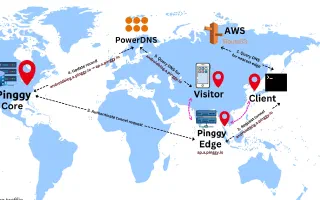
How Pinggy serves tunnels from three regions: the core/edge split, self-hosted PowerDNS on Postgres with WAL streaming replication, and why anycast is still hard.
Discover the top self-hosted software of 2026, featuring innovative tools for documentation, media management, resource monitoring, and more. Explore detailed reviews, features, and release dates.
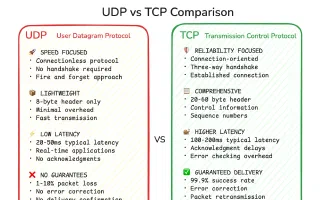
Understand the key differences between UDP and TCP protocols. Learn when to use each for gaming, streaming, web browsing, and real-time applications with practical examples.
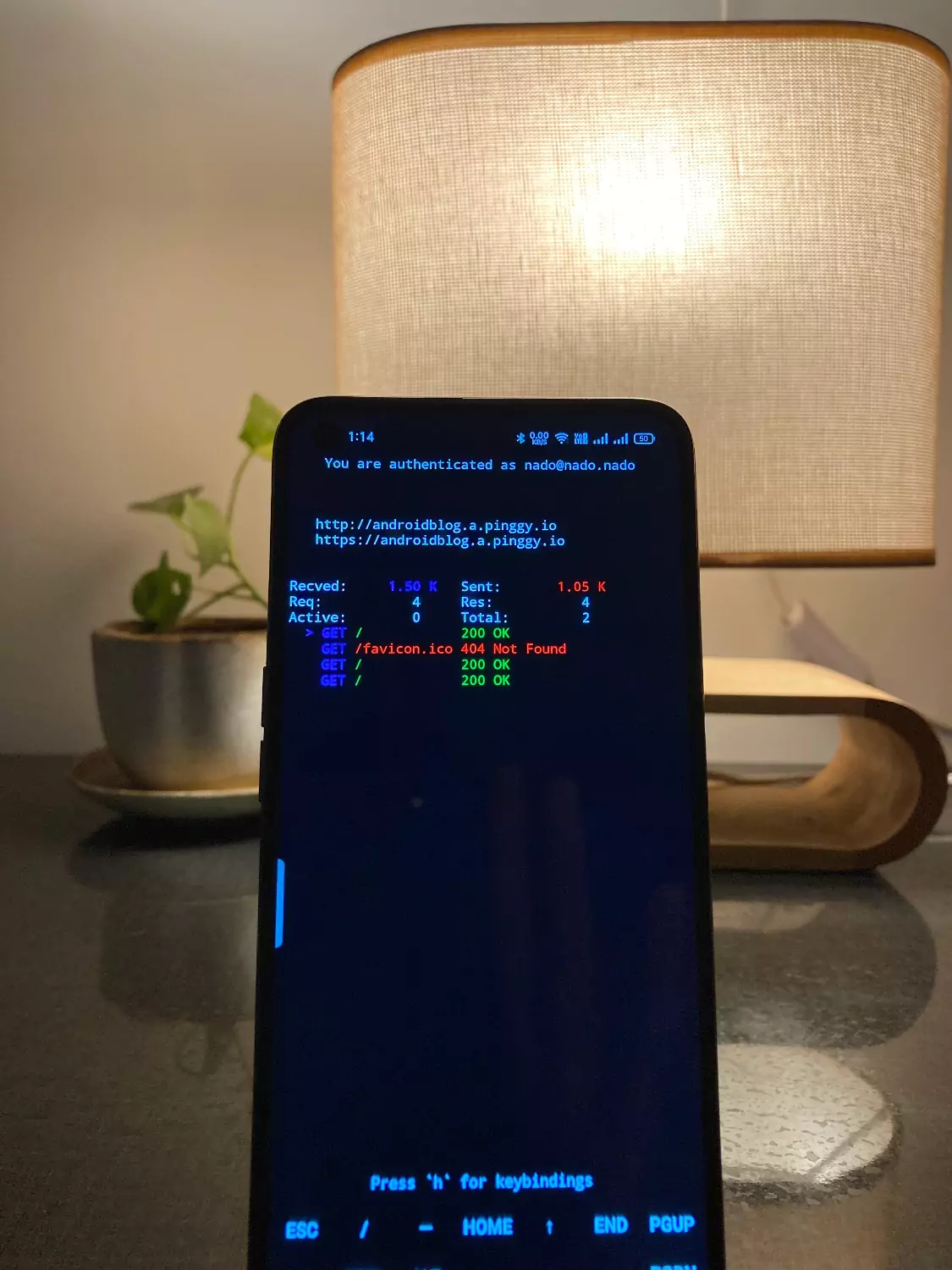
Turn an Android phone into a small web server with Termux and Pinggy. Step-by-step: install Termux from F-Droid, serve a page, expose it over an SSH tunnel.
I was packing for a trip and realised I had no way to reach my home desktop if something went sideways. I didn’t want to install TeamViewer or any other agent, just plain RDP over a tunnel. This post walks through …
How to reach your Raspberry Pi desktop from anywhere over RDP using xrdp on the Pi and a Pinggy TCP tunnel. Includes the Wayland/labwc gotcha on current Raspberry Pi OS and how to work around it.
Discover the top open source Tailscale alternatives in 2026. Explore NetBird, Headscale, Nebula, Defguard, Firezone, Octelium, and more. Compare features, self-hosting options, and ease of use.