Top 5 Best Self-Hosted VPNs in 2026
Discover the best self-hosted VPN solutions in 2026. Compare WireGuard, AmneziaVPN, Headscale, NetBird, and WG-Easy for privacy, security, and performance.
The latest revisions across our writing on tunnels, networking, self-hosting, self-hosted LLMs, and AI - freshest updates first.
Discover the best self-hosted VPN solutions in 2026. Compare WireGuard, AmneziaVPN, Headscale, NetBird, and WG-Easy for privacy, security, and performance.
Where AI and connectors actually work in ecommerce bookkeeping, what a human bookkeeper still has to own, what each layer costs in 2026, and how to run the hybrid model without dropping exceptions.
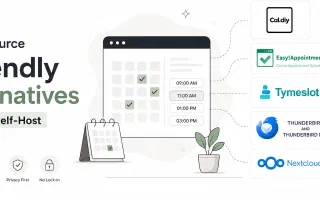
Cal.com went closed source in April 2026. Here are the open-source, self-hostable Calendly alternatives that took its place - Cal.diy, Easy!Appointments, Tymeslot, Rallly and more - with licenses, versions, and a tested Docker plus Pinggy setup.
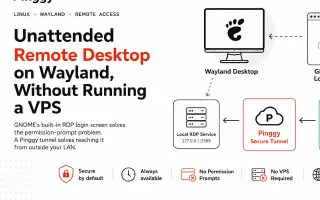
GNOME's built-in RDP Remote Login solves unattended access on Wayland. Pair it with a Pinggy TCP tunnel to reach it from anywhere, no VPN or VPS required.
LiveView, Hotwire, Datastar, and Blazor all push rendered HTML over a persistent connection instead of JSON. Here's why the pattern keeps resurfacing, what changed in 2026, and what it costs you when you test it.
A Product Hunt or Hacker News launch needs more than a live link. Here is how indie developers feed the public URL from a Pinggy tunnel straight into an AI URL to Video tool, polish the cut with InVideo AI, and ship a launch demo without recording anything.
Discover what AI agent skills are, how they work, and the top 14 must-know skills for developers - including Grill Me, Caveman, TDD, and Graphify. Learn how to install and use skills in Claude Code, Cursor, Codex CLI, and other AI coding agents.
We pulled every company in YC's Summer 2026, Fall 2026, and Winter 2027 batches from the official directory and classified all 208 of them. Here are the real themes, the numbers behind them, and how they compare to YC's own Requests for Startups.
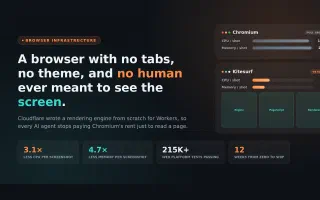
Cloudflare shipped Kitesurf, a browser engine written from scratch to run in V8 isolates on Workers instead of Chromium. Here's how it works, the real CPU and memory numbers, what it still can't do, and how to point it at an app running on your own machine.
A technical guide to Claude Code's /loop and /goal commands and OpenAI Codex's Goal Mode -- how each one keeps an AI coding agent working for hours without you babysitting every turn.