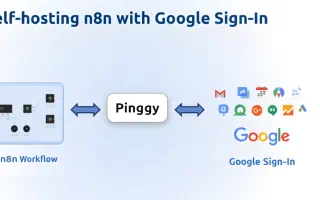
Self-hosting n8n with Google Sign-In
Learn how to self-host n8n using npm and configure Google Sign-In authentication. Complete guide with Pinggy tunneling for secure remote access.
Hands-on guides, protocol deep dives, and field notes on tunnels, SSH, reverse proxies, self-hosting, self-hosted LLMs, and AI - from the people building Pinggy.
Learn how to self-host n8n using npm and configure Google Sign-In authentication. Complete guide with Pinggy tunneling for secure remote access.
Understand Mixture of Experts (MoE) architecture in LLM models - how it works, why it's efficient, and which models use it. Learn about sparse activation, routing, and performance benefits.
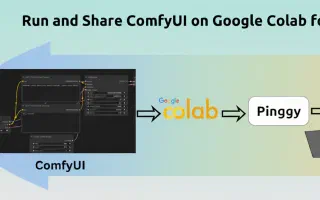
Learn how to run ComfyUI on Google Colab with GPU acceleration and share it publicly using Pinggy tunnels. Complete guide for free AI image generation with stable diffusion models.
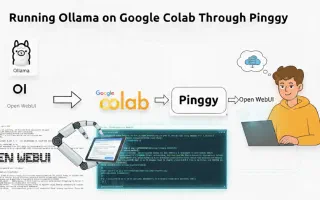
Learn how to run Ollama models on Google Colab and access them remotely using Pinggy tunneling. Complete setup guide with OpenWebUI integration for free AI model hosting.
Learn how to forward Ollama's default port 11434 to access your local AI models online. Step-by-step guide using secure tunneling for remote Ollama API access.
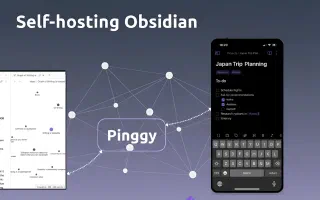
Complete guide to self-hosting Obsidian sync using Docker, CouchDB, and Pinggy tunnel. No paid Obsidian Sync, full control, and all the fun of building your own sync server!
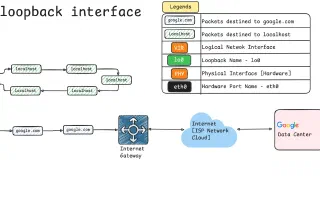
Understand `127.0.0.1`, loopback addresses, and how they work in networking. Learn why localhost points to `127.0.0.1` and how to use loopback for development and testing.
Complete guide to self-hosting large language models locally using Ollama and Open WebUI with Docker. Learn to run AI models privately with full control over your data.
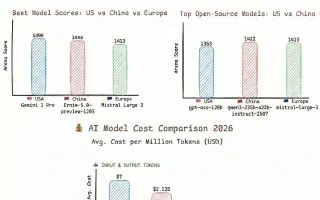
Comprehensive comparison of the latest LLMs from USA, Europe, and China in 2026. Discover which region leads in AI innovation with detailed benchmark analysis of Gemini 3 Pro, GPT-5.1, Grok 4.1, DeepSeek-V3.2, Qwen3, and Mistral Large 3.
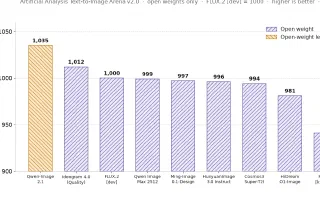
Open-weight AI image generators to self-host in October 2026: Qwen-Image-2.1, Ideogram 4.0, FLUX.2, Qwen-Image-2512, Ming-Image, HunyuanImage 3.0, Cosmos3 and more, ranked by Arena Elo with license, VRAM and interface notes.