In this article
AI video generation in 2026 has crossed from tech demo to practical tool. The leading models output 1080p or native 4K with lip-synced dialogue, hold character identity across multiple shots, and produce 15-20 second clips in a single pass. The question isn’t whether any of this works for real projects anymore; it’s which model is the right fit for a given job.
What “best” means here depends on what you’re making. A model that tops a benchmark for general physics is rarely the right pick for spoken dialogue, HDR color pipelines, vertical social clips, or self-hosted commercial use. So this isn’t a single ranking - it’s a working shortlist of six proprietary models worth subscribing to, three open-source models worth running locally, and a longer set of honorable mentions worth knowing about. Each entry covers what the model does well, where it falls short, and current pricing.
The picks below are dated to late May 2026. Anything benchmark-related (Artificial Analysis Elo positions, version numbers, leaderboard order) moves quickly, so treat those with the usual half-life of an AI release cycle.
Comparison table (as of May 2026)
| AI Model | Best For | Pricing | Key Strength |
|---|---|---|---|
| ByteDance Seedance 2.0 | Multi-shot narratives, leaderboard #1 with audio | Via Doubao subscription | 9 images + 3 clips + 3 audio inputs (AA #1 with-audio, 1213 Elo) |
| HappyHorse-1.0 (Alibaba ATH) | Highest raw quality, joint audio-video | fal.ai API (Apr 26, 2026) | AA #1 without-audio (1357 Elo), 15B Transformer, 7-lang lip-sync |
| Google Veo 3.1 | 1080p with 48kHz dialogue | AI Pro $19.99/mo, Ultra $249.99/mo, API $0.03-$0.50/sec | Only model with synchronized dialogue, not just SFX |
| Kling 3.0 | Mass-adopted, short-form social | Free tier, paid plans on top | Native 4K/60fps/15s with audio; 4 entries in AA top 10 |
| Renderforest AI ad generator | Template-based social and product ads | Free tier, paid plans on top | Not a model - brand kit, stock library, platform export presets |
| Runway Gen-4.5 | Creative control, film production | From $12/mo | Motion brushes, scene consistency, GWM-1 world model |
| Luma Ray3 / Ray3.14 | Photorealistic motion, HDR, video-to-video | From $7.99/mo | First model with native 16-bit HDR; Ray3 Modify for actor footage |
| Wan 2.7 (open source) | Local generation, instruction editing | Free (Apache 2.0) | 9-grid image input, first/last frame control, 5000-char prompts |
| LTX-2.3 (open source) | 4K with audio, commercial use | Free, tiered for $10M+ ARR | 22B params, 4K@50fps + stereo audio, vertical-native |
| HunyuanVideo 1.5 (open source) | Efficient local generation | Free (Apache 2.0) | 8.3B params, 75s render on a single RTX 4090 |
Summary
Proprietary picks (ordered by current Artificial Analysis position + practical capability):
- ByteDance Seedance 2.0 (Feb 12, 2026): current #1 on AA with-audio (1213 Elo). 9 images + 3 clips + 3 audio inputs per generation. Access via Doubao.
- HappyHorse-1.0 (Alibaba ATH, April 2026): current #1 on AA without-audio (1357 Elo), ~tied #1 with-audio (1212 Elo). 15B params, 7-language lip-sync, 1080p, joint audio-video. Live on fal.ai API.
- Google Veo 3.1: only model generating 48kHz synchronized dialogue, not just SFX. Lite / Fast / Quality tiers. AI Pro $19.99/mo, Ultra $249.99/mo, API $0.03-$0.50/sec.
- Kling 3.0 (Feb 4, 2026): native 4K, 60fps, 15-second clips, multilingual lip-sync. Four entries in the AA top 10. Free tier + paid plans.
- Renderforest AI ad generator: not a model - a template-driven ad builder with brand kit, stock library, and platform export presets. Free tier, paid plans for quality and length. Use it when the deliverable is an ad, not a shot.
- Runway Gen-4.5: was AA #1 at launch in late 2025 (1247 Elo), now displaced but still has the best control surface (motion brushes, scene consistency) and GWM-1 world model. From $12/mo.
- Luma Ray3 / Ray3.14 (Ray3.14 update Jan 26, 2026): first AI video model with native 16-bit HDR. Ray3 Modify for video-to-video editing of actor footage. From $7.99/mo.
Open source picks (Apache 2.0 across the board):
- Wan 2.7 (April 2026): first/last frame control, 9-grid image input, 5000-character prompts. Leads Wan-Bench 2.0.
- LTX-2.3 (March 5, 2026): 22B params, native 4K at 50fps with stereo 24kHz audio. Vertical-native training for portrait video. Pro and Fast variants lead AA without-audio open-weights category.
- HunyuanVideo 1.5 (Nov 2025): 8.3B params, 75-second renders on a single RTX 4090.
Honorable mentions and notable misses:
- Vidu Q3 (Shengshu, Jan 2026): 16s native audio-video. Strong on animated series.
- MiniMax Hailuo 2.3: solid physics, four pricing tiers, 1080p/24fps.
- Grok Imagine (xAI): #10 in AA with-audio (1078 Elo); distributed via Higgsfield and xAI API.
- Pika 2.5: Pikaswaps, Pikaframes, real-time PikaStream. Below the leaderboard top 10; still fine for fast social iteration.
- OpenAI Sora 2: deprecated April 26, 2026, API shuts down September 24, 2026. Don’t build new pipelines on it.
What actually changed in the last year
The interesting axis is no longer resolution - every serious model does 1080p or native 4K now. What’s actually moved since early 2025:
- The leaderboard reshuffled. ByteDance’s Seedance 2.0 (Feb 12, 2026) and Alibaba ATH’s HappyHorse-1.0 (April 2026) now occupy the top two slots on Artificial Analysis. Runway Gen-4.5, which led at launch in late 2025 with 1247 Elo, has dropped out of the top 10. Veo 3.1 holds at #3 with audio; Kling 3.0 has four entries in the top 10.
- Synchronized dialogue, not just SFX. Veo 3.1 still owns this with 48kHz speech generation. Kling 3.0 followed in February 2026 with multilingual lip sync. HappyHorse-1.0 added 7-language lip-sync (English, Mandarin, Cantonese, Japanese, Korean, German, French). LTX-2.3 added stereo audio at 24kHz in March 2026. “Native audio” used to mean ambient noise; now it means lip-synced lines.
- Length crept up. Kling 3.0 hits 15 seconds at 4K/60fps in one pass. LTX-2.3 does 20 seconds. Vidu Q3 does 16 seconds. Most others still cap around 8-10 seconds and stitch.
- Reference-image control replaced “longer prompts” as the way to get consistent characters. Veo 3.1’s Ingredients to Video accepts 3 reference images; Seedance 2.0 takes 9 images plus 3 video clips plus 3 audio files per generation; Wan 2.7 added 9-grid image input. If you want the same character across shots, this is the modern path.
- HDR shipped. Luma’s Ray3 is the first model to generate native 16-bit HDR (exportable as EXR), aimed at pro color pipelines.
- Open source caught up enough to be useful. Wan 2.7 leads its own benchmark; LTX-2.3 ships 4K + audio on Apache 2.0; HunyuanVideo 1.5 renders in 75 seconds on a single RTX 4090. They don’t beat HappyHorse or Seedance on the public leaderboard, but for a self-hosted pipeline that doesn’t pay a per-second API fee they’re a real option.
- OpenAI exited the consumer market. Sora 2 was deprecated April 26, 2026 and shuts down September 24, 2026 (the API rolls off then too). If you built on Sora’s API, plan the migration.
The proprietary models worth paying for
Ordered roughly by current Artificial Analysis position with practical capability mixed in. Pricing varies by an order of magnitude across these. One entry (Renderforest) is an ad-building tool rather than a foundation model and doesn’t appear on the leaderboard at all - it’s included because it solves a job the models above don’t.
1. ByteDance Seedance 2.0
Seedance 2.0 launched February 12, 2026 as part of ByteDance’s Doubao 2.0 release and immediately took #1 on the Artificial Analysis Text-to-Video leaderboard with audio (1213 Elo). The interesting part isn’t the score, though - it’s the input format: per generation you can feed it up to 9 reference images, 3 video clips, and 3 audio files alongside the text prompt. That’s the most permissive input grid of any current model. Output is 5 or 10 seconds with synchronized audio; the multi-shot mode threads sequences up to ~15 seconds together.
Seedance went viral in China early on for generating realistic clips of famous actors and characters - which surfaced the obvious copyright issues but also demonstrated the realism is in the same league as Veo and Kling. Distribution is through the Doubao app (mobile, desktop, web) rather than a public Western API; outside China you’re waiting on Doubao’s international rollout.
Key Features of Seedance 2.0:
- AA #1 with audio - 1213 Elo on the Artificial Analysis leaderboard
- Multi-input - 9 images + 3 video clips + 3 audio files per generation
- Native audio - dialogue, SFX, ambient sound in one pass
- Multi-shot narrative mode - threads sequences up to ~15 seconds
- Available across Doubao mobile, desktop, web
- 5 or 10 second clip lengths in single-shot mode
Seedance 2.0 Pricing:
Bundled into Doubao subscription tiers. ByteDance hasn’t published a standalone Western pricing sheet at the time of writing.
2. HappyHorse-1.0 (Alibaba ATH)
HappyHorse-1.0 appeared on the Artificial Analysis Video Arena around April 7, 2026 from Alibaba’s ATH AI Innovation Unit (separate from the team building Wan). It went live on fal.ai’s API on April 26, 2026. It’s currently #1 on the leaderboard without audio (1357 Elo, a 107-point lead over second place) and ~tied with Seedance 2.0 for #1 with audio (1212 Elo). Blind matchup tests have users preferring its output about 65% of the time.
Architecturally it’s a 15-billion-parameter Transformer with 40 layers, unified pipeline for text-to-video and image-to-video, and joint audio-video generation. Output is 1080p at 5-8 second clips. Lip sync covers seven languages: English, Mandarin, Cantonese, Japanese, Korean, German, French. Inference is 8-step distilled, which is part of why it’s fast on fal.
It’s the newest model in this list and the one I’d watch most closely - both because it’s currently leading and because Alibaba’s ATH unit is distinct enough from Tongyi (the Wan team) that this could become a separate model line entirely.
Key Features of HappyHorse-1.0:
- AA #1 without audio - 1357 Elo, biggest gap to second place on the board
- AA tied #1 with audio - 1212 Elo, ~tied with Seedance 2.0
- 15B parameters - 40-layer Transformer with joint audio-video pipeline
- 7-language lip sync - English, Mandarin, Cantonese, Japanese, Korean, German, French
- 1080p, 5-8 second clips
- 8-step distilled inference - fast turnaround on fal
- Available via fal.ai API since April 26, 2026
HappyHorse-1.0 Pricing:
Per-generation pricing on fal.ai. Alibaba hasn’t released a standalone consumer subscription product around it; for now this is mostly an API model.
3. Google Veo 3.1
Google Veo 3.1 launched January 2026 and currently sits at #3 on Artificial Analysis with audio (1100 Elo). Two cheaper variants have been added since: Veo 3.1 Fast (balanced quality / speed, AA #6 at 1090 Elo) and Veo 3.1 Lite (most cost-effective, released March 31, 2026). The flagship Veo 3.1 generates up to 1080p with synchronized native audio. What sets it apart isn’t the leaderboard position - it’s that Veo is the only widely available model generating 48kHz synchronized dialogue, not just background SFX and ambient noise. If your content needs people talking, Veo is currently the only choice that does it in one pass.
Veo 3.1’s “Ingredients to Video” takes up to three reference images per generation for a character, product, or object, holding appearance steady across scenes and camera angles. SynthID watermarking is baked in.
The model is reachable through the Gemini app, YouTube Shorts, the Flow editor, the Gemini API, and Vertex AI. Per-generation duration is still capped at 8 seconds, so stitching is needed for anything longer.
Key Features of Veo 3.1:
- 48kHz synchronized dialogue - lip-synced speech, not just SFX (the real differentiator)
- Three-image reference (Ingredients to Video) - character / product / object consistency across shots
- 1080p output - with upscaling; native 4K isn’t on the consumer tier yet
- Lite, Fast, Quality tiers - in Flow, pick the speed / cost / quality tradeoff per render
- Vertical video support - optimized for YouTube Shorts and mobile platforms
- Distribution surfaces - Gemini, YouTube, Vertex AI, Gemini API
- SynthID watermarking - mandatory, AI content identification
Veo 3.1 Pricing:
Three consumer paths: Google AI Pro at $19.99/month bundles 1,000 Flow credits (roughly 100 Lite, 50 Fast, or 10 Quality videos). Google AI Ultra at $249.99/month is the premium tier. API access is per-second: $0.03/sec for Veo 3.1 Lite (720p, no audio) up to $0.50/sec for Veo 2 on Vertex AI; 4K is a separate premium tier. Veo 2 remains available as a legacy API-only model.
4. Kling 3.0 (Kuaishou)
Kling 3.0 launched February 4, 2026, replacing Kling 2.6. The headline numbers all moved: durations went from 10 to 15 seconds; resolution from 1080p to native 4K (not upscaled); frame rate from 48 to 60fps; and three new lip-sync languages were added on top of the existing multilingual support. Audio and video are generated jointly in a single pass through a unified multimodal framework, so dialogue, SFX, and ambient atmosphere all stay in sync without separate generation steps.
Architecturally, Kling is still a Diffusion Transformer with Kuaishou’s 3D VAE underneath - the changes between 2.6 and 3.0 are more about training data, scale, and the multimodal stack than a clean-sheet rewrite. Aspect ratios cover all the usual platform presets. Adoption is genuinely large: Kuaishou reports over 60 million creators and 600 million videos generated globally since Kling launched in mid-2024.
Kling is the model I’d pick first for short-form social content where you want talking heads in any of a dozen languages at 4K without paying Veo prices. Where it falls short of Runway and Veo is consistency across longer sequences and the “looks like a movie” lighting quality - both still belong to Gen-4.5 and Veo 3.1 respectively.
Key Features of Kling 3.0:
- Native 4K at 60fps - upgrade from 1080p / 48fps in Kling 2.6
- 15-second clips - up from 10 seconds in 2.6
- Joint audio-visual generation - dialogue, SFX, and ambient sound in one pass
- Expanded lip-sync - 3 new languages added on top of existing multilingual support
- Text-to-video, image-to-video, multi-shot storyboarding and reference-based generation
- Multiple aspect ratios for all major platform formats
- Scale - 60M+ creators, 600M+ videos generated since 2024
Kling 3.0 Pricing:
Free tier with limited daily generations. Paid plans add capacity and priority processing. Available through the kling.ai web platform and Kuaishou’s KuaiYing video editing app.
5. Renderforest AI Ad Generator
The Renderforest AI ad generator is the odd entry here: it isn’t a foundation model, it isn’t on the Artificial Analysis board, and it isn’t trying to be. It’s a template-driven ad builder with a generation step bolted to the front. You describe the product, service, or campaign, and it assembles a promo video - visuals, animation, on-screen text, music - that you then edit rather than re-prompt.
That distinction is the whole point of using it. Prompt Veo or Kling for an ad and you get footage; you still have to cut it, drop in the logo, pick a track, and export three aspect ratios. Renderforest starts from the ad-shaped output and lets you swap in your own logo, brand colors, fonts, and voiceover before export. It’s part of the wider Renderforest suite, so a brand kit set up once carries across projects.
The tradeoff is the one every template system has: you’re picking from a library rather than generating from scratch, so the ceiling on originality sits well below anything else in this section. If you want a specific shot, this is the wrong tool. For startups, ecommerce, and SaaS teams shipping social ads on a schedule, that ceiling rarely binds - it’s the same reason people reach for Canva over Illustrator.
Key Features of Renderforest AI Ad Generator:
- Text prompt to finished ad - describe the campaign, get a cut promo video back
- Brand kit - logo, colors, fonts, and voiceover applied on top of any template
- Template and stock library - animations, footage, and music to build from
- Platform export presets - YouTube, Instagram, TikTok, Facebook aspect ratios
- Browser-based - nothing to install, no GPU
- Editable output - the generated video is a starting point, not a locked render
Renderforest AI Ad Generator Pricing:
Free tier available. Paid plans raise export quality and video length, add AI credits, and unlock the advanced branding options and the rest of the creative toolkit.
6. Runway Gen-4.5
Runway Gen-4.5 was #1 on the Artificial Analysis Text-to-Video leaderboard at its late-2025 launch with 1,247 Elo. As of May 2026 it’s been displaced by Seedance 2.0, HappyHorse-1.0, and the Kling 3.0 / Veo 3.1 cluster, and no longer appears in the top 10. That’s not the whole story, though. Runway still has the best control surface of anything on this list and a film-production-focused ecosystem that nothing else matches. Durations are 2-10 seconds for text-to-video and image-to-video.
What’s actually useful day-to-day is the controls. Motion brushes let you paint which parts of an image move and how - the kind of control text prompts can’t reach. A single reference image gets you consistent characters, locations, and objects across multiple generations, which is the practical workaround for short durations. Gen-4 Turbo is the cheaper, faster variant at half the credit cost; good for concepting before committing to a final render.
On May 3, 2026, Runway shipped a Gen-4 update adding native audio (lip sync and environmental SFX), social-media templates (vertical, subtitle-ready), and new API hooks for hybrid pipelines that combine Runway with Veo and Seedance. Separately, Runway is positioning Gen-4.5 as the foundation for GWM-1, their General World Model for real-time interactive Worlds, Avatars, and Robotics - more interesting if you’re building agents or sims than 30-second ads.
Key Features of Runway Gen-4.5:
- Motion brushes - paint which parts of an image move and how
- Scene consistency - single reference image keeps characters / objects coherent across shots
- Physics simulation - cloth, fluids, rigid bodies handled with reasonable fidelity
- Gen-4 Turbo - half-cost / faster variant for iteration
- Native audio (May 2026 update) - SFX, lip-sync, environmental sound
- GWM-1 - real-time interactive world model built on Gen-4.5 (agents, robotics)
Runway Gen-4.5 Pricing:
Starts at $12/month for the Standard plan. Gen-4 Turbo uses half the credits per second of Gen-4.5, which is the right default for prototyping. API access has separate pricing.
7. Luma Ray3
Luma Ray3 (launched September 18, 2025) is the first AI video model to generate native 16-bit HDR, exported as EXR for direct integration into pro color pipelines. That’s the differentiator no one else has matched. Beyond HDR, Ray3 handles fluid dynamics (splashing, pouring), cloth simulation (drape, fold, wind), and rigid-body collisions well enough to consistently fool human evaluators in blind tests.
Two important updates since launch:
- Ray3.14 (released January 26, 2026): added native 1080p generation, 4x faster sampling at 720p via a flow-matching training objective (replaces standard denoising diffusion, accelerating sampling by ~40% at equivalent quality), and 3x lower cost. Modify Video duration extended to 18 seconds. If you remembered Ray3 as expensive, the answer is “not anymore.” Note: character references aren’t supported in 3.14, and HDR/EXR can’t be used in Modify Video.
- Ray3 Modify: a video-to-video editing model that overlays AI-driven changes on real actor footage - enhance performances, swap costumes, fix takes. It now supports Start and End Frame control so you can guide transitions across longer camera moves without losing spatial continuity.
Dream Machine 2.0 is the front-end wrapper: storyboard mode chains shots with automatic scene transitions and character consistency; the visual timeline exposes dolly, crane, orbit, and handheld camera moves as first-class controls. Worth picking up if you’re mixing live-action with AI generation.
Key Features of Luma Ray3:
- Native 16-bit HDR - first AI video model with this; EXR export for pro color workflows
- Physics fidelity - fluids, cloth, rigid bodies tested in blind evals
- Ray3.14 update - flow-matching sampler, 4x faster, 3x cheaper, native 1080p
- Ray3 Modify - video-to-video editing of actor performances with start/end frame control
- Dream Machine 2.0 - visual camera-move timeline, storyboard mode for multi-shot sequences
- Character consistency - identity holds across scenes
Luma Ray3 Pricing:
Free tier with 720p generations. Lite at $7.99/month for 1080p, Plus at $20.99/month, Unlimited at $66.49/month, Enterprise at $1,672.92/year. Ray2 remains available at $0.50 per 5 seconds for legacy projects.
The open-source models worth running locally
The open-source video generation ecosystem has matured significantly in 2026, offering viable alternatives to proprietary solutions for developers and creators who need local deployment, customization, or cost control.
1. Wan 2.7 (Alibaba)
Wan 2.7 (released April 2026) is the current head of Alibaba’s open-source Wan line, succeeding Wan 2.2 from July 2025. Each release in this line bumps the model up several notches; 2.7 added first/last-frame control, 9-grid multi-image input (the same control surface Seedance 2.0 has, on open weights), instruction-based video editing, and a 5000-character prompt limit. It leads Wan-Bench 2.0 across open-source and closed-source comparisons.
The architecture inherited from Wan 2.2 is a Mixture-of-Experts (MoE) diffusion model: ~27B total parameters with ~14B active per inference step. There’s a high-noise expert for early-stage layout and a low-noise expert for late-stage detail refinement. The TI2V-5B variant fuses text-to-video and image-to-video into one high-compression model; the custom Wan2.2-VAE hits 64x compression, producing 720p at 24fps in under ~9 minutes on an RTX 4090. The smaller T2V-1.3B fits in 8.19GB of VRAM, which is the entry point for consumer GPUs.
Alibaba’s roadmap has Wan 3.0 (60B params, native 4K, 30-second continuous generation in one pass) targeted for mid-2026. So Wan 2.7 may not be the leader for long, but it’s what you can clone today.
Key Features of Wan 2.7:
- First/last-frame control - specify both endpoints, model interpolates motion
- 9-grid multi-image input - reference grid up to 9 images for character / scene control
- Instruction-based video editing - text-driven edits to existing clips
- 5000-character prompt limit - up from prior Wan releases
- MoE diffusion - 27B total / 14B active per step (inherited from 2.2)
- Consumer GPU floor - T2V-1.3B variant runs in 8.19GB VRAM
- Apache 2.0 weights - usable for commercial work
- Leads Wan-Bench 2.0 across open and closed source comparisons
Wan 2.7 Pricing:
Free, Apache 2.0 licensed. Code and weights are on GitHub and Hugging Face. The current lineup includes Text-to-Video (1.3B and 14B), Image-to-Video, the fused TI2V-5B, and video-editing variants. 480p and 720p are the standard output resolutions.
2. LTX-2.3 (Lightricks)
LTX-2.3 (released March 5, 2026) is the current point release of Lightricks’ LTX-2 line, which itself launched in January 2026 as the first open-source model with native 4K + audio + truly open weights. The 2.3 update is significant enough to call out separately: a new VAE producing sharper output with retained detail, a 4x larger text connector for better prompt understanding, an improved HiFi-GAN vocoder for cleaner audio with stereo output at 24kHz, and vertical video output up to 1080x1920 trained on portrait-orientation data (not cropped from landscape - matters for actual social clips).
The model is 22 billion parameters total. It generates native 4K at up to 50fps with synchronized audio in a single pass, up to 20 seconds per clip. Training data is licensed from Getty Images and Shutterstock, so there’s no copyright-cloud over commercial output. NVIDIA optimization via NVFP8 quantization cuts model size by ~30% and improves performance up to 2x; the model runs across GeForce RTX GPUs, DGX Spark, and data-center systems.
LTX-2.3 is genuinely the most production-realistic open-source option right now. If you want 4K + audio + commercial usage rights without paying per second to an API, this is where to start.
Key Features of LTX-2.3:
- Native 4K at 50fps + stereo 24kHz audio in one pass
- Up to 20-second clips - longest in open-source class
- 22B params with NVFP8 quantization for 2x throughput on RTX
- Apache 2.0 weights, training code, inference code all open
- Vertical-native output to 1080x1920 (trained on portrait, not cropped)
- Licensed training data (Getty / Shutterstock) - cleaner commercial story than most
- Runs on consumer RTX GPUs up to enterprise NVIDIA data-center systems
LTX-2.3 Pricing:
Free for academic use and for commercial use by companies under $10M ARR. Tiered licensing above that. Available on GitHub and Hugging Face.
3. HunyuanVideo 1.5 (Tencent)
HunyuanVideo 1.5 (released November 21, 2025) is Tencent’s lightweight open-source video model. The notable trick: state-of-the-art quality at only 8.3 billion parameters - small enough that 480p image-to-video renders in about 75 seconds on a single RTX 4090, and 720p 121-frame videos fit in 13.6GB VRAM with offloading. If your hardware budget is one prosumer GPU, this is the model to start with.
The architecture is a DiT (Diffusion Transformer) with selective and sliding tile attention (SSTA), fed by a 3D causal VAE that compresses video 16x spatially and 4x temporally. Bilingual understanding improved through glyph-aware text encoding. Independent benchmarks place HunyuanVideo 1.5 around Kling 1.5 in complex motion, camera control, and prompt adherence - ahead of Runway Gen-3, Luma Dream Machine, and Pika 1.5, though those are all earlier-generation competitors at this point.
Tencent ships a family of related models: HunyuanVideo-I2V for image-to-video, HunyuanVideo-Avatar for audio-driven human animation, and HunyuanCustom for multimodal-driven customized generation. All Apache 2.0.
Key Features of HunyuanVideo 1.5:
- 8.3B parameters - smallest “state of the art” open model right now
- 75-second renders on a single RTX 4090 (480p I2V step-distilled)
- 13.6GB VRAM for 720p, 121-frame videos with offloading
- DiT + SSTA attention with 3D causal VAE for efficient spatiotemporal compression
- Glyph-aware text encoding for stronger Chinese/English text in scenes
- Model family - T2V, I2V, Avatar (audio-driven), Custom (multimodal)
- Apache 2.0 for commercial and research use
HunyuanVideo 1.5 Pricing:
Free and open-source. Apache 2.0 license. Full weights and training code on GitHub and Hugging Face.
Specialized tools and notable mentions
A few models that don’t compete head-on with the list above but solve adjacent problems worth knowing about:
Models that didn’t make the top tier but are worth knowing:
Vidu Q3 (Shengshu) - Launched January 2026; Q3 Reference-to-Video followed. 16-second clips with native audio - the longest in its tier. Particularly strong on animated series production; Shengshu raised $290M in April 2026 with Alibaba leading. A good option if you’re producing long-form animated content.
MiniMax Hailuo 2.3 - October 2025 release, still current. Four pricing tiers, 1080p at 24fps, strong on physical realism. A solid mid-tier option that often gets overlooked because MiniMax is less aggressive about marketing in the West.
Grok Imagine (xAI) - #10 on Artificial Analysis with audio (1078 Elo, Grok Imagine Video). Native audio-video generation distributed through Higgsfield and xAI’s API. Worth keeping an eye on if you’re already in the xAI / X ecosystem.
Pika 2.5 - Still the latest Pika as of May 2026 (no 3.0 yet). Below the AA top 10, but solid for fast social iteration with Pikaswaps, Pikaffects, Pikaframes, and Pikaformance lip-sync. PikaStream 1.0 added real-time streaming video for agent chat applications. From $8/month. If your priority is “render in 42 seconds and move on,” it’s fine; if you want highest quality, look upstream.
Mochi 1 (Genmo AI) - 10B-parameter Asymmetric Diffusion Transformer. Was the largest open video model at release, but hasn’t had a 2026 update; 480p, 5.4s clips. Effectively superseded by Wan 2.7 and LTX-2.3 in the open-source category. Still appears in benchmark roundups for historical reasons.
Avatar-specific tools (different category, not general video generators):
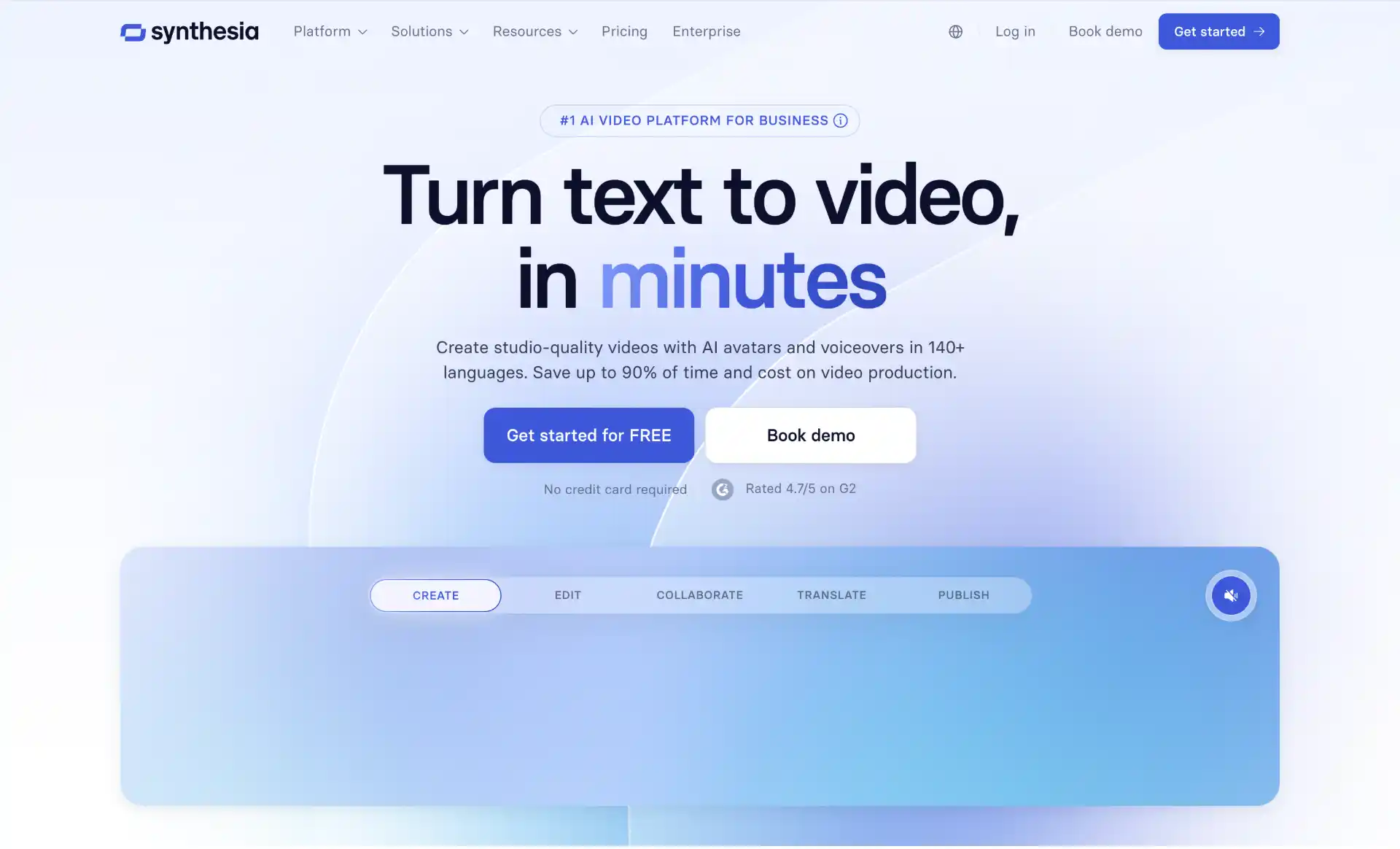 Synthesia - AI avatar video for corporate communications, training, marketing. Over 230 avatars, 140+ languages. The right pick for localized training content at scale.
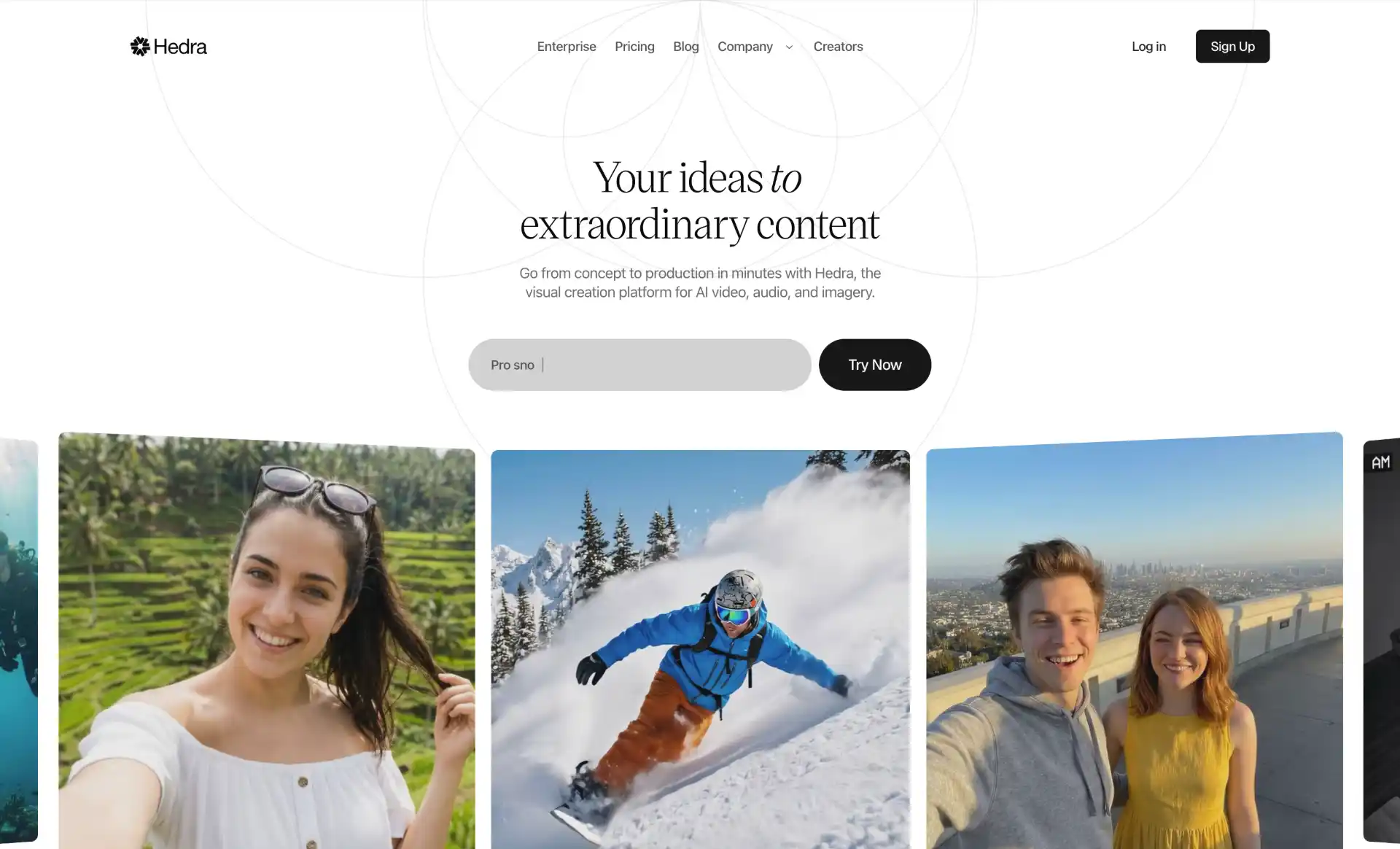 Hedra - Character-driven video with strong lip-syncing and emotional expression. Common for talking-head videos from audio inputs.
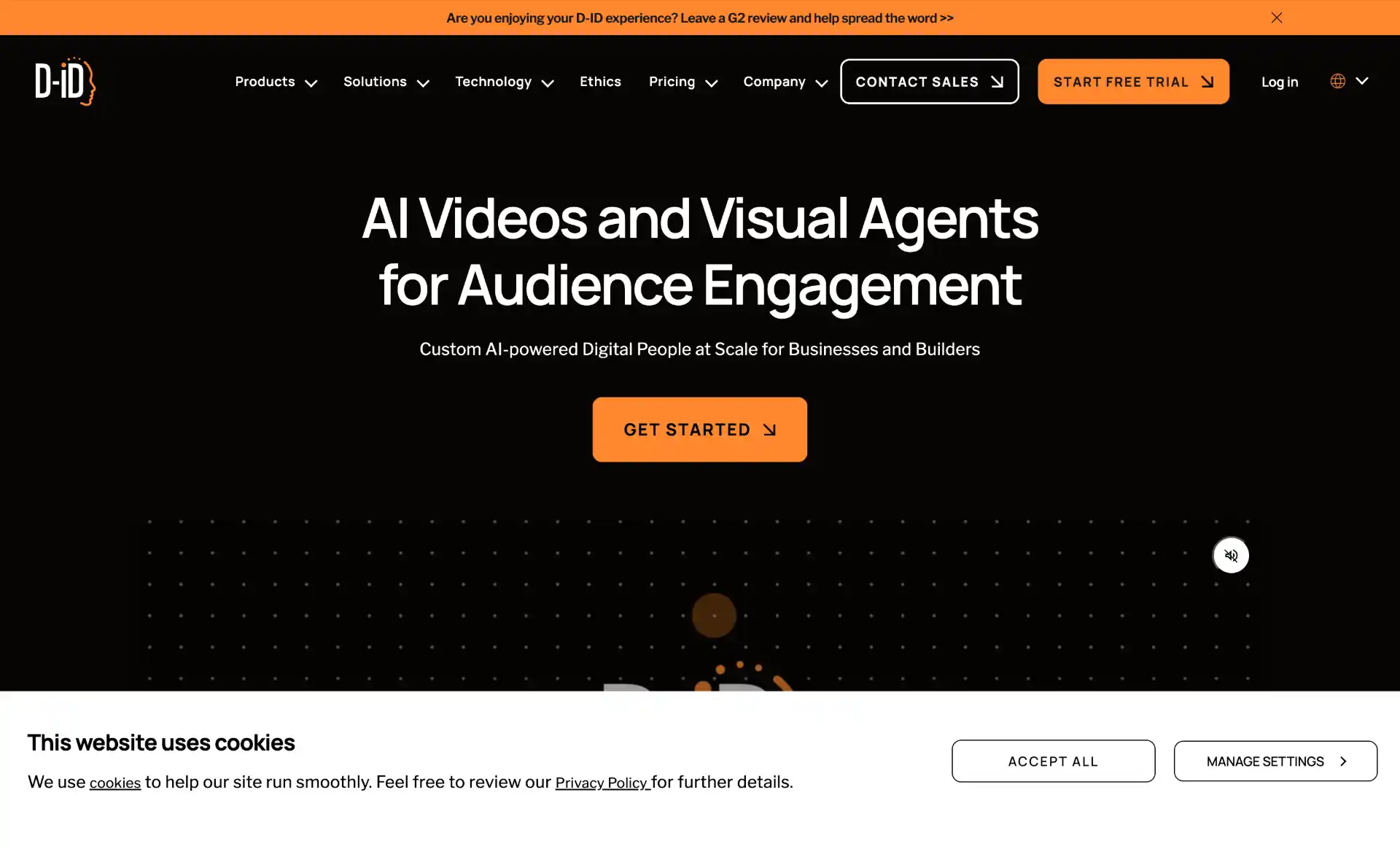 D-ID - Digital humans and real-time streaming avatars. Strong API support; common pick for customer-service and interactive web apps.
OpenAI Sora 2 (deprecated) - Sora 2 launched September 30, 2025 and was the best-in-class physics model at launch (gymnastics routines, paddleboard backflips, the famous cat-on-a-triple-axel demo). On April 26, 2026 OpenAI deprecated the Sora product. The Sora 2 models and Videos API are scheduled to shut down on September 24, 2026. If you have a Sora 2 pipeline today, you have ~4 months to migrate. Sora’s residual influence pushed every lab to take physics seriously, but it’s no longer an option to build on.
VideoDubber - AI video generation with translation and dubbing
Most of the models above generate video in one language. If you’re shipping the same creative to YouTube, ads, or training content across markets, you still need a localization step after generation - and that’s usually a separate tool and a separate bill.
VideoDubber bundles the generator and the translator into one plan. Generate a clip, then dub it into the target language with synced subtitles, voiceover, and optional voice cloning. It covers 150+ languages, exports MP4 plus SRT/VTT, and ships a browser-based subtitle editor for fixing transcripts before re-export.
Key Features
- One-click dubbing into 150+ languages
- Built-in AI video generator with visual-style and music selection
- Voice cloning and multi-speaker support on all plans
- Subtitle editor with unlimited re-exports on paid tiers
- MP4 + SRT/VTT export
VideoDubber pricing
From $9/month for 30 translation minutes, with a free trial on every plan. If multilingual distribution is the goal, having translation sit inside the generation workflow is the practical part - no second tool, no separate export-import loop.
Invideo’s AI Models
Invideo’s AI is becoming one of the most popular platforms for AI video creation because it combines several powerful AI tools and all available video models in one place. Instead of using separate apps for scripting, editing, voiceovers, and video generation, users can do everything directly inside invideo. The platform supports advanced AI models like Kling, Veo, Runway, and Seedance, making it easier to create cinematic videos, social media reels, ads, and marketing content within minutes.
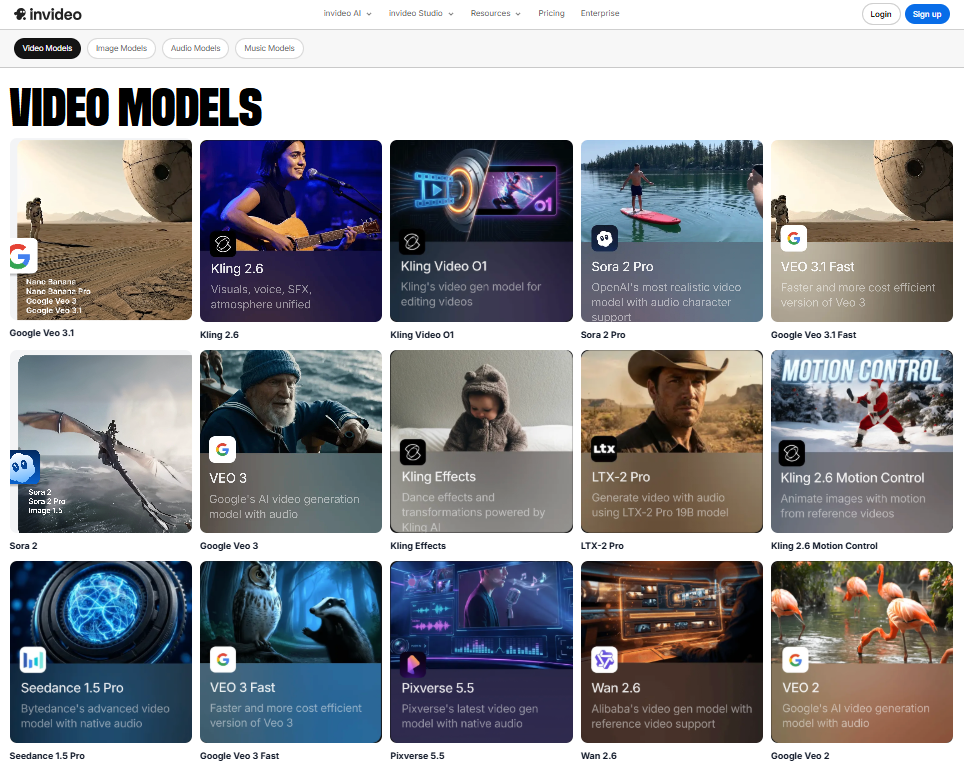
What makes invideo stand out is its beginner-friendly interface and fast workflow. Even users with no editing experience can generate professional-looking videos simply by entering a text prompt. The platform also includes AI voices, music generation, stock media, and smart editing features that save time during production. With access to hundreds of AI-powered tools and creative assets, invideo is a great choice for creators, filmmakers, marketers, businesses, and agencies looking to scale content creation quickly and efficiently.
Key Features
- Access to 200+ AI models, including Kling, Veo, Seedance, and Runway
- AI video generation from a single text prompt
- Built-in AI voiceovers, music, and sound generation
- AI-powered video editing and automation workflows
- Support for cinematic, social media, and marketing videos
- Team collaboration and shared project workflows
- Credit-based system for flexible AI model usage across tools
Invideo AI Models pricing
- Pricing is credit-based, meaning different AI models consume different numbers of credits depending on complexity, resolution, duration, and audio generation.
How to integrate AI video into a workflow
Practical notes from running the same prompts across these models:
- Pick by output shape first, leaderboard position second. For short social verticals, Kling 3.0 will get you there faster than Veo. For spoken dialogue, Veo 3.1 is the only one-pass answer. For 4K HDR finishing, Luma Ray3. For maximum quality regardless of audio, HappyHorse-1.0. The “best” model is the one whose default output already matches what you need.
- Test against your real prompts, not demo reels. Vendor demo clips are cherry-picked. Most of these have free tiers; spend an hour running your prompts on three or four and judge the medium, not the highlight reel.
- Don’t over-index on the leaderboard. Artificial Analysis Elo moves week to week. As of writing, Seedance 2.0 and HappyHorse-1.0 lead by a comfortable margin, but Runway has the best control surface, Veo has the only dialogue, and Luma has the only HDR. Position #1 isn’t always the right pick.
- Plan for stitching. Even the longest single-pass clips top out around 20 seconds (LTX-2.3) or 15-16 seconds (Kling 3.0, Vidu Q3, Seedance 2.0 multi-shot). Anything longer is stitched. Runway’s storyboard features and Dream Machine 2.0’s storyboard mode are built for this; for everything else you’re in a video editor.
- If you’re shipping commercially, read the license. LTX-2.3 (Apache 2.0, free under $10M ARR, licensed training data), Wan 2.7 (Apache 2.0), and HunyuanVideo 1.5 (Apache 2.0) are the cleanest open-source stories. Proprietary models all have their own terms; Veo includes mandatory SynthID watermarking on every output.
- Use the cheap variant for iteration. Veo 3.1 Lite, Gen-4 Turbo, Ray3 (post-3.14 cost cut), the small Wan T2V-1.3B - all exist for the concepting loop. Reserve the flagship tier for the final render.
- Don’t build on Sora 2. September 24, 2026 is the API shutdown date.
Wrapping up
The shortlist for May 2026, by use case:
- Highest raw quality (without audio): HappyHorse-1.0. AA #1 by 100+ Elo. Access via fal.ai API.
- Highest raw quality (with audio): Seedance 2.0 (AA #1 at 1213 Elo). HappyHorse is right behind it at 1212. Either works.
- Need spoken dialogue in your output? Veo 3.1. Nothing else does 48kHz lip-synced speech in one pass.
- Need control surface for film-style work? Runway Gen-4.5. Motion brushes and scene consistency still beat everything else even though the leaderboard moved on.
- Need 4K social clips with multilingual lip-sync? Kling 3.0. Cheaper than Veo, four entries in the AA top 10.
- Need HDR for color-managed pipelines? Luma Ray3 (with Ray3.14 making it the cheap option now).
- Need flexible input (images + clips + audio per generation)? Seedance 2.0 if you have Doubao access; Wan 2.7 if you want it on open weights.
- Need to self-host with commercial rights? LTX-2.3 for 4K + audio; HunyuanVideo 1.5 if you need it to fit on one consumer GPU.
- Doing long-form animation? Vidu Q3 (16s native A/V, animated-series-focused) is worth a look.
By the time you read this, at least one of these will have shipped a new version. Benchmark positions on Artificial Analysis are moving roughly weekly; anything I say about leaderboard rank has a half-life of a few months. The picks above are dated to May 2026.